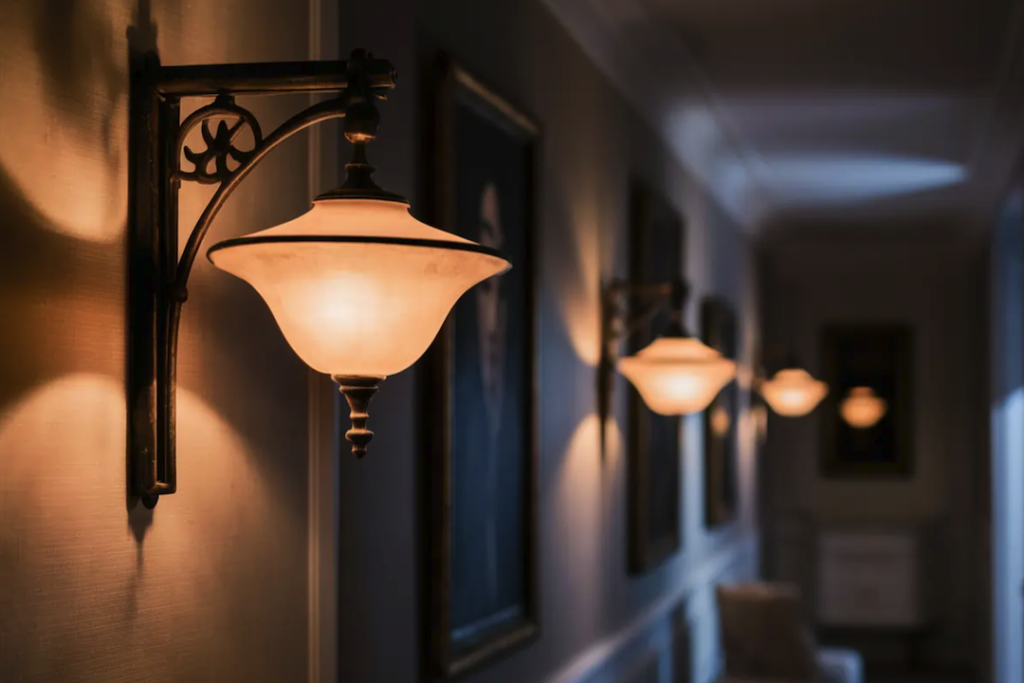

LED vanity lights have gained popularity in recent years, primarily due to their energy efficiency and versatility. Unlike traditional incandescent bulbs, LED lights consume significantly less energy while providing the same level of brightness. This efficiency translates into lower electricity bills, making them an attractive option for homeowners looking to reduce their energy consumption. Additionally, LED lights have a longer lifespan, often lasting up to 25,000 hours or more, which means fewer replacements and less waste over time.
Another notable benefit of LED vanity lights is their ability to produce a range of color temperatures. This feature allows users to select lighting Woolerdesign that best suits their preferences and needs. For instance, cooler tones can create a bright and invigorating atmosphere, ideal for morning routines, while warmer tones can foster a relaxing environment for evening use. Furthermore, many LED fixtures are now available with adjustable brightness settings, enabling users to customize the lighting intensity according to the time of day or specific tasks.
Choosing the Right LED Vanity Lights for Your Bathroom
Selecting the appropriate LED vanity lights for a bathroom involves considering several factors, including size, style, and functionality. The size of the vanity light should be proportionate to the bathroom space and the vanity itself. A large, expansive bathroom may benefit from multiple fixtures or a larger light bar, while a smaller bathroom might require more compact options. It is essential to ensure that the chosen lights provide adequate illumination without overwhelming the space.
Style is another critical aspect when choosing LED vanity lights. The market offers a wide variety of designs, from modern and sleek to vintage and ornate. Homeowners should consider the overall aesthetic of their bathroom when making a selection. For example, a contemporary bathroom may pair well with minimalist fixtures, while a traditional space might be complemented by more decorative options. Additionally, functionality should not be overlooked; features such as dimmability or integrated mirrors can enhance the usability of the lighting.
Installing LED Vanity Lights: Tips and Tricks
Installing LED vanity lights can be a straightforward process if approached methodically. Before beginning the installation, it is crucial to turn off the power at the circuit breaker to ensure safety. Once the power is off, removing the existing fixtures is typically the first step. This may involve unscrewing mounting brackets and disconnecting wires. It is advisable to take note of how the old fixtures were connected, as this will aid in installing the new lights.
When installing new LED vanity lights, following the manufacturer’s instructions is essential for proper setup. Most fixtures will come with detailed guidelines that outline the necessary steps. It is also beneficial to use a level to ensure that the lights are installed straight, as uneven fixtures can detract from the overall appearance of the bathroom. After securing the new lights in place and connecting the wiring, restoring power at the circuit breaker will allow for testing the installation. If everything functions correctly, final adjustments can be made to achieve the desired look.
Maximizing Energy Efficiency with LED Vanity Lights
To maximize energy efficiency with LED vanity lights, homeowners can implement several strategies beyond simply choosing LED technology. One effective approach is to utilize smart lighting systems that allow for remote control and scheduling. These systems enable users to turn off lights when not in use or adjust brightness levels based on specific needs throughout the day. By integrating smart technology, energy consumption can be further reduced.
Another way to enhance energy efficiency is by strategically placing mirrors and reflective surfaces in relation to LED vanity lights. Proper placement can amplify light distribution throughout the bathroom, reducing the need for additional lighting sources. Additionally, using dimmable LED fixtures allows users to adjust brightness according to their activities, which can lead to significant energy savings over time. By being mindful of how and when lights are used, homeowners can enjoy both functionality and efficiency.
Stylish and Functional: Designing Your Bathroom with LED Vanity Lights
Incorporating LED vanity lights into bathroom design can enhance both style and functionality. The right lighting can create an inviting atmosphere while also serving practical purposes such as illuminating workspaces for grooming or applying makeup. When designing a bathroom with LED lights, it is essential to consider layering different types of lighting—ambient, task, and accent—to achieve a well-rounded effect.
For instance, ambient lighting can be provided by overhead fixtures or recessed lighting, while task lighting is best achieved through strategically placed LED vanity lights around mirrors or vanities. Accent lighting can highlight architectural features or decorative elements within the space. By thoughtfully combining these different lighting types, homeowners can create a cohesive design that meets both aesthetic and practical needs.
Maintenance and Care for LED Vanity Lights
Maintaining LED vanity lights is relatively simple compared to traditional lighting options. One of the primary advantages of LEDs is their durability; they are less prone to breakage and do not require frequent bulb replacements. However, regular cleaning is essential to ensure optimal performance and longevity. Dust and grime can accumulate on light fixtures over time, diminishing their brightness and overall appearance.
To clean LED vanity lights effectively, it is advisable to use a soft cloth or microfiber towel dampened with water or a mild cleaning solution. Avoid using abrasive materials that could scratch surfaces or damage finishes. Additionally, checking for any loose connections or signs of wear periodically can help identify potential issues before they become significant problems. By following these maintenance practices, homeowners can keep their LED vanity lights functioning efficiently for years.
Comparing LED Vanity Lights to Traditional Lighting Options
When comparing LED vanity lights to traditional lighting options such as incandescent or fluorescent bulbs, several key differences emerge. One of the most significant advantages of LEDs is their energy efficiency; they consume up to 80% less energy than incandescent bulbs while providing comparable brightness levels. This efficiency not only reduces electricity costs but also contributes to a lower carbon footprint.
Another notable difference lies in lifespan; LED bulbs typically last much longer than traditional options—often up to 25 times longer than incandescent bulbs. This longevity means fewer replacements and less waste over time. Additionally, LEDs do not contain hazardous materials like mercury found in some fluorescent bulbs, making them a safer choice for both users and the environment. Overall, LEDs present a compelling case for those seeking sustainable and cost-effective lighting solutions.
Cost Savings and Longevity of LED Vanity Lights
The initial investment in LED vanity lights may be higher than that of traditional lighting options; however, the long-term cost savings often outweigh this upfront expense. Due to their energy efficiency, LEDs significantly reduce electricity bills over time. Homeowners can expect substantial savings on their energy costs as they transition from incandescent or fluorescent bulbs to LEDs.
Moreover, the longevity of LED vanity lights contributes to overall cost savings by minimizing replacement expenses. With an average lifespan of 25,000 hours or more, LEDs require far fewer replacements than traditional bulbs, which typically last only about 1,000 hours for incandescent options. This extended lifespan not only saves money but also reduces waste in landfills. In summary, while the initial cost may be higher, the long-term financial benefits and environmental advantages make LED vanity lights a wise investment for any bathroom renovation or upgrade.