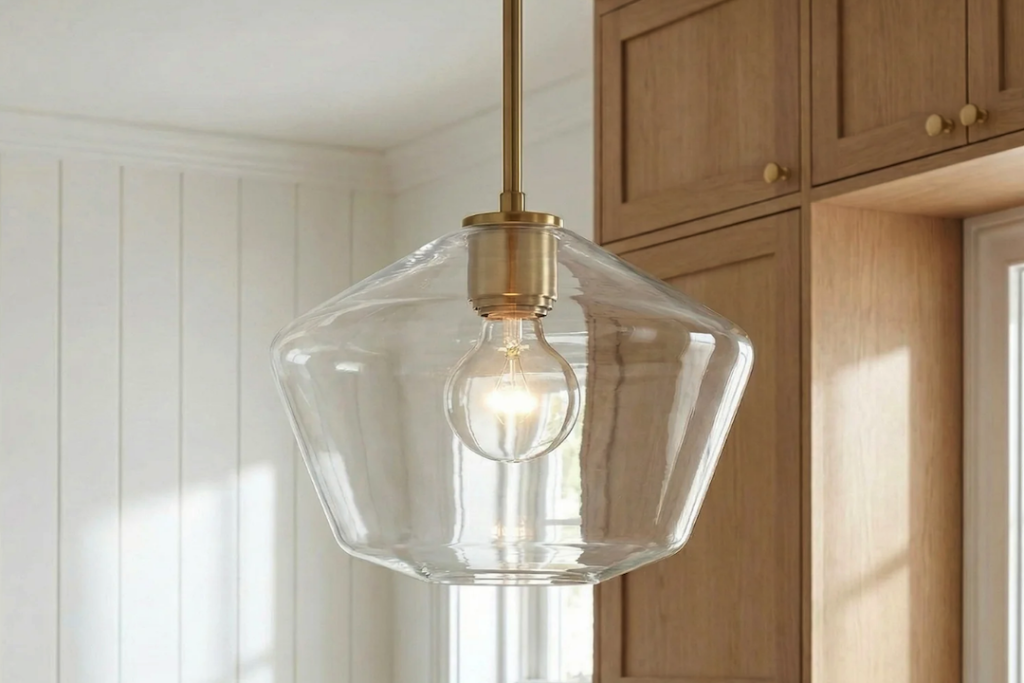

So, you’re wondering about natural wood hanging lamps and their contribution to rustic charm? Simply put, they’re a fantastic, straightforward way to bring the warmth and character of nature right into your living space. We’re talking genuine wood, often with a raw or minimally processed finish, providing a grounded aesthetic that can instantly transform a room from bland to cozy. It’s about more than just light Lamp24 ; it’s about adding a piece of natural art that feels authentic and inviting.
“Rustic charm” often boils down to a feeling – one of comfort, authenticity, and a connection to the natural world. It’s not about being unrefined, but rather about showcasing the beauty of natural materials and craftsmanship.
What Defines Rustic?
Rustic design leans into simplicity and the beauty of imperfection. Think hand-hewn textures, earthy tones, and materials that tell a story. It avoids overly polished surfaces, synthetic elements, and sterile environments. Instead, it embraces the irregularities that make natural objects unique.
The Role of Natural Materials
Natural materials are the bedrock of rustic aesthetics. Wood, stone, linen, cotton, and even metals like iron or copper, when left with their natural patinas, contribute significantly. They bring a tactile quality and visual depth that synthetic materials often lack.
Beyond the Farmhouse Fad
While farmhouse style is a popular modern interpretation of rustic, true rustic charm goes deeper. It’s not just about a specific trend; it’s about creating an atmosphere that feels timeless, lived-in, and genuinely comfortable. It’s less about matching a catalog image and more about curating a space that feels personal and welcoming.
Why Wood Lamps Fit the Bill
A natural wood hanging lamp isn’t just a light fixture; it’s a focal point that inherently embodies rustic charm. Its material, form, and even the way it casts light all contribute to this aesthetic.
The Inherent Beauty of Wood Grain
Every piece of wood is unique. The grain patterns, knots, and variations in color are nature’s artwork, and a well-crafted wood lamp highlights these features. This natural artistry means no two lamps are exactly alike, adding to the individuality of your decor.
Warmth and Texture: More Than Just Light
Wood has a natural warmth, both visually and tactilely. It creates a sense of coziness that can be hard to achieve with other materials. The texture, whether smooth, rough-hewn, or reclaimed, adds another layer of sensory richness to a room.
A Connection to Nature
Bringing natural elements indoors helps blur the lines between inside and out. A wood lamp serves as a constant subtle reminder of the outdoors, fostering a more grounded and peaceful environment. This biophilic design principle suggests that a connection to nature improves well-being.
Types of Wood and Finishes
The choice of wood and its finish significantly impacts the lamp’s overall look and how well it integrates into your space.
Common Woods Used
- Reclaimed Wood: Often sourced from old barns, factories, or demolished buildings, reclaimed wood carries a rich history and unique character. It often features nail holes, distressed marks, and a naturally aged patina.
- Driftwood: Found on riverbanks or seashores, driftwood is naturally weathered and smoothed by water and wind. Its irregular shapes and bleached-out tones make for distinctive, organic lamp designs.
- Oak: A durable and popular choice, oak often has a prominent grain pattern. It can range from light to medium brown and takes stains well, allowing for various aesthetic interpretations.
- Pine: Lighter in color and generally more affordable, pine offers a clean, Scandinavian-rustic feel. It often has visible knots, which contribute to its rustic appeal.
- Walnut: Known for its rich, dark brown hues and beautiful grain, walnut lends a more refined rustic look, often seen in higher-end pieces.
- Maple: A pale, fine-grained wood, maple offers a cleaner, more minimalist rustic feel, especially when left unstained.
Finishes That Enhance Rustic Appeal
- Natural/Unfinished: This approach celebrates the wood as it is, showcasing its raw texture and color. It’s the most authentic rustic option.
- Oiled: An oil finish penetrates the wood, enhancing its natural color and grain while offering some protection. It leaves a natural, matte look.
- Waxed: Similar to oil, wax provides a subtle sheen and protection while maintaining a natural feel.
- Lightly Stained: A light or natural-toned stain can even out the wood’s color while still allowing the grain to show through. Avoid heavy, opaque stains that obscure the wood’s character.
- Distressed/Brushed: These techniques artificially age the wood, adding marks, dents, or a textured surface to mimic years of wear.
- Limed/White Washed: This finish applies a diluted white paint or lime wash, letting the wood grain show through for a lighter, often coastal or Scandinavian rustic feel.
Design Styles and Shapes
Natural wood hanging lamps come in a surprising variety of forms, allowing them to complement different rustic sub-styles.
Organic and Freeform Designs
These lamps often utilize raw, unprocessed pieces of wood, like driftwood or branches, maintaining their natural shapes. They are perfect for a truly natural or bohemian rustic aesthetic, acting as sculptural light sources.
Geometric and Structured Designs
Even within rustic, there are lamps that incorporate more defined shapes. Think wooden slats arranged into a drum, or a cage-like structure. These can pair well with a more contemporary rustic or industrial-rustic look, providing a balance between raw material and structured design.
Industrial-Rustic Fusion
Combining wood with metals like black iron or aged brass creates an industrial-rustic vibe. The warmth of the wood softens the hardness of the metal, resulting in a balanced and intriguing piece. Exposed bulbs often complement this style.
Minimalist Rustic
This style emphasizes clean lines and simple forms, letting the quality of the wood speak for itself. It’s rustic without being cluttered, often featuring a single piece of wood or a very simple geometric shade.
Chandelier-Style Wood Lamps
For larger spaces or a more dramatic statement, wood can be crafted into multi-light chandelier forms. These might feature multiple arms made from branches or reclaimed beams, providing significant illumination and visual impact.
Placement and Ambiance
Where you hang your natural wood lamp and how you light it can drastically alter the atmosphere of your room.
Where to Hang It
- Dining Room: Over a dining table, a wood hanging lamp creates a warm and inviting atmosphere for meals and gatherings. It can ground the space and become a conversation piece.
- Living Room: A prominent wood pendant can serve as a central light source or an accent over a coffee table, drawing attention and adding character.
- Bedroom: Over a bed or in a reading nook, a dimmer-controlled wood lamp can provide soft, ambient lighting for relaxation.
- Entryway: In an entryway, it offers a welcoming first impression, setting the tone for the rest of your home.
- Kitchen Island: A row of smaller wood pendants over a kitchen island can provide task lighting and introduce a touch of warmth into a typically functional space.
Lighting Considerations
- Bulb Type: Edison bulbs, with their visible filaments and warm glow, are a classic choice for rustic lamps. LEDs that mimic this warm white (2200-2700K) are also excellent for energy efficiency.
- Dimmer Switches: Essential for controlling the mood. A dimmable wood lamp allows you to adjust the light from bright task lighting to a soft, ambient glow.
- Light Direction: Consider whether the lamp casts light primarily upwards, downwards, or diffused in all directions. Downward light is good for task lighting, while diffused light offers more general ambiance.
- Layering Light: Don’t rely solely on your hanging lamp. Combine it with floor lamps, table lamps, and sconces to create a layered lighting scheme that adds depth and functionality to the room.
Integrating with Existing Decor
A natural wood hanging lamp is remarkably versatile. It can:
- Anchor a minimalist room: Adding warmth and texture to a stark space.
- Complement an eclectic mix: Blending seamlessly with various styles due to its natural essence.
- Reinforce a rustic theme: Solidifying the aesthetic in a room already featuring natural materials.
- Act as a focal point: Drawing the eye and becoming the centerpiece of your lighting design.
Maintenance and Care
While wood is durable, a little care goes a long way in ensuring your lamp retains its rustic charm for years to come.
Routine Cleaning
- Dusting: Regular dusting with a soft, dry cloth is usually sufficient. For intricate designs, a soft brush or a can of compressed air can reach into crevices.
- Avoid Harsh Chemicals: Do not use abrasive cleaners or chemical sprays directly on the wood, as these can strip finishes or damage the material.
Addressing Wear and Tear
- Minor Scratches/Dings: For unfinished or oiled wood, light scratches can often be buffed out with a soft cloth or a very fine-grit sandpaper (always sand with the grain!). For finished wood, touch-up pens or furniture wax in a matching shade can be used.
- Drying Out: If the wood appears dry or dull, especially in arid climates, a natural furniture oil or wax can recondition it. Always test on an inconspicuous area first.
- Moisture Damage: Keep wood lamps away from high-humidity areas or direct exposure to water to prevent warping, cracking, or mold.
Longevity Tips
- Proper Installation: Ensure the lamp is installed correctly and securely by a qualified individual, especially for heavier wooden fixtures.
- Appropriate Bulbs: Use bulbs within the wattage limits specified by the manufacturer to prevent overheating and potential damage to the wood or wiring.
- Environmental Stability: Wood is a natural material that can react to extreme changes in temperature and humidity. Try to maintain a stable indoor environment to prevent warping or cracking over time.
A natural wood hanging lamp is more than just a source of light; it’s a testament to the enduring appeal of natural materials. It offers a tangible connection to the outdoors, infuses warmth, and adds genuine character to any space. By understanding the types of wood, finishes, and design considerations, you can select and care for a piece that truly elevates your home’s aesthetic, providing a subtle yet powerful dose of rustic charm that never goes out of style.