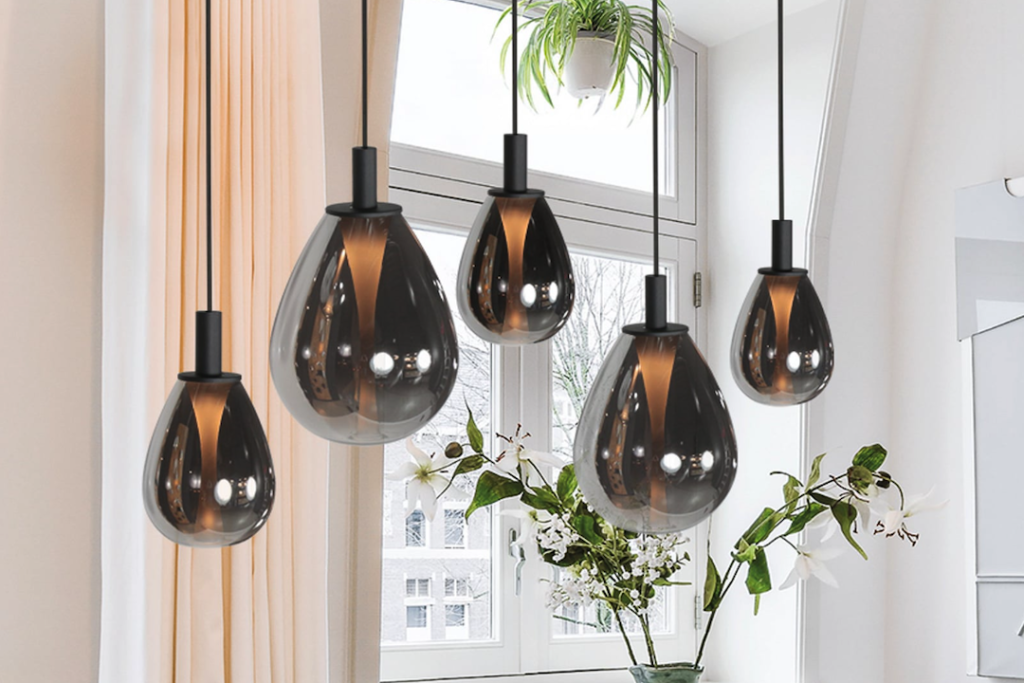

Amber glass ceiling lights are a good way to create a warm, inviting atmosphere in a room. The tinted glass casts a soft, diffused light that differs from clear or frosted options, which tend to be brighter and more direct. This makes them suitable for spaces where ambiance is a priority, like living rooms, bedrooms, or dining areas.
What Makes Amber Special?
Amber glass gets its color from chemical compounds added during the manufacturing process. The particular hue can range from a light Ilonalighting golden yellow to a deep, rich brown, depending on the exact composition and thickness of the glass. This coloring naturally filters the light, reducing glare and creating a more mellow glow. It is not just about the color, though; the light quality itself feels different, less harsh, and more enveloping.
Not Just for Vintage Looks
While amber glass often evokes a vintage or retro feel, modern designs are plentiful. You can find sleek, minimalist fixtures that incorporate amber glass, proving its versatility beyond a specific aesthetic. It is about the effect it creates rather than limiting it to a particular style.
The biggest draw of amber glass is the kind of light it produces. It’s not about brightness here; it’s about warmth and diffusion.
The Science of Warmth
Our eyes perceive different color temperatures of light. Cooler temperatures (like bright white or blue) are generally associated with alertness, while warmer temperatures (yellow, orange, red) tend to be more relaxing. Amber glass automatically filters out some of the cooler light wavelengths, shifting the perceived color temperature towards the warmer end of the spectrum. This is less about psychological tricks and more about how light physically interacts with the tinted glass.
Diffused vs. Directed Light
Unlike clear glass shades that can create focused beams or harsh shadows, amber glass tends to diffuse the light more evenly. The light gets scattered as it passes through the colored glass, spreading it out more broadly across the room. This diffusion reduces harsh contrasts and creates a softer, more uniform illumination, which is crucial for a cozy feel. You won’t find sharp lines or intense spots of light; instead, you get a gentle wash.
Reducing Glare
Another practical benefit of diffuse light is reduced glare. When light is scattered, its intensity from any single point is lessened. This can make a big difference in comfort, especially in rooms where you might be reading, watching television, or just relaxing. Less glare means less eye strain and a more comfortable visual environment.
Design Considerations and Placement
Choosing the right amber glass ceiling light involves more than just liking the color. Think about the style of your room, the overall aesthetic you want to achieve, and the practical demands of the space.
Matching Room Aesthetics
Amber glass can complement a variety of interior design styles, but it works particularly well with certain palettes and materials.
Traditional and Rustic Styles
In traditional or rustic settings, amber glass seamlessly blends with natural wood, exposed brick, and antique furniture. It enhances the warmth already present in these materials, creating a cohesive and inviting look. Think of a farmhouse kitchen or a classic study.
Mid-Century Modern Vibes
Amber glass is a staple of mid-century modern design. Its warm tones and often sculptural forms fit perfectly with the iconic furniture and clean lines of this era. Paired with teak wood, geometric patterns, and understated elegance, amber glass can complete the look.
Bohemian and Eclectic Spaces
For bohemian or eclectic décors, amber glass adds a touch of global charm and warmth. It can act as a grounding element amidst a mix of patterns, textures, and cultural influences, contributing to a collected, well-traveled aesthetic.
Contemporary Adaptations
Even in contemporary spaces, amber glass finds its place. Opt for fixtures with clean lines, minimal ornamentation, and perhaps a subtle metallic accent. The warmth of the amber can soften the starkness often associated with contemporary design, adding an unexpected layer of comfort.
Ideal Locations
Not every room benefits equally from amber light. Consider the primary function of the space.
Living Rooms
This is often the heart of the home, where relaxation and socializing happen. An amber ceiling light can create a hospitable and calming atmosphere, ideal for winding down in the evening or hosting casual gatherings.
Bedrooms
For bedrooms, a warm, dimmable light source is essential for promoting rest and relaxation. Amber glass fits this perfectly, helping to create a sanctuary-like feel that encourages peaceful sleep.
Dining Areas
Amber light can make a dining experience more intimate and inviting. It can flatter food and faces, making shared meals feel more special and comfortable. Avoid anything too bright or stark in a dining setting.
Hallways and Entryways
These transitional spaces benefit from a welcoming glow. Amber ceiling lights can make an entryway feel like a warm embrace, setting the tone for the rest of your home as guests arrive. They can also create a sense of continuity and warmth as you move through your house.
Locations to Reconsider
While versatile, amber glass might not be the best choice everywhere.
Task-Oriented Kitchens
If your kitchen is primarily a workspace where you need bright, clear light for cooking and food preparation, an amber ceiling light above your main work surfaces might not be ideal. The tinted light could slightly alter the perception of food colors. However, it can work wonderfully as accent lighting or for a breakfast nook.
Bathrooms for Makeup Application
Similarly, for applying makeup or shaving, clear, broad-spectrum light is usually preferred to ensure accurate color representation and visibility. Amber light can cast a flattering glow but might not be practical for these specific tasks.
Practical Installation and Maintenance
Once you’ve decided on an amber glass ceiling light, there are some practicalities to keep in mind, from installation to everyday care.
Professional vs. DIY Installation
Installing a ceiling light involves working with electricity. If you’re not comfortable with basic electrical wiring, it’s always safer and often more efficient to hire a qualified electrician. They can ensure proper wiring, grounding, and secure mounting, especially for heavier fixtures.
What to Know for DIY
If you decide to do it yourself, ensure the power is off at the circuit breaker. Follow the manufacturer’s instructions carefully for wiring and mounting. Have the necessary tools like screwdrivers, wire strippers, and a voltage tester. It’s also helpful to have someone assist you, particularly for holding the fixture.
Checking Weight Capacity
Always verify that your ceiling junction box and the ceiling material can support the weight of the new fixture. Heavier chandeliers or multi-light fixtures might require additional reinforcement. This is a crucial safety step to prevent the fixture from falling.
Bulb Choices
The type of bulb you use can significantly impact the overall effect, even with amber glass.
LED Bulbs
Modern LED bulbs are energy-efficient and come in various color temperatures. Look for LEDs with a warm color temperature (around 2700K to 3000K) to enhance the glow of the amber glass. They also last much longer than incandescent bulbs, reducing replacement frequency.
Dimmable Options
Dimmable bulbs, paired with a compatible dimmer switch, offer the most flexibility. This allows you to adjust the light intensity to suit different moods or times of day, maximizing the cozy factor of your amber glass fixture.
Avoiding Overly Cool Bulbs
Even with amber glass, using a very cool white or daylight-temperature bulb (4000K+) can diminish the warm effect you’re trying to create. The amber will filter it, but the light might still feel less inviting than with a warmer bulb.
Cleaning and Care
Amber glass fixtures require regular cleaning to maintain their appearance and light quality.
Gentle Cleaning Solutions
For glass shades, a simple solution of warm water and a small amount of mild dish soap is often sufficient. Use a soft, lint-free cloth. Avoid harsh chemical cleaners, as these can sometimes strip finishes or leave streaks on the glass.
Dusting Frequency
Dust can accumulate on the glass and within the fixture, dulling the light. Regular dusting with a microfiber cloth or a soft brush attachment on a vacuum cleaner can keep your light looking its best. This also helps maintain optimal light output.
Checking for Wear and Tear
Periodically inspect the fixture for any loose connections, frayed wires, or damaged parts. Address any issues promptly to ensure the light remains safe and functional. This includes checking the mounting hardware for security.
Pairing with Other Lighting Elements
A single ceiling light rarely provides all the illumination a room needs. Integrating amber glass ceiling lights with other lighting sources creates a layered and functional lighting scheme.
Layering Light for Depth
Effective lighting design uses multiple layers of light: ambient, task, and accent. Amber glass ceiling lights primarily serve as ambient lighting, providing overall room illumination.
Ambient Lighting
This is your general room lighting, making it possible to move around safely and comfortably. Amber ceiling lights excel here by offering a soft, pervasive glow.
Task Lighting
For specific activities like reading, cooking, or working at a desk, you’ll need focused task lighting. This could come from table lamps, floor lamps, or under-cabinet lights. Ensure these task lights provide brighter, clearer illumination where needed.
Accent Lighting
Accent lighting draws attention to specific features, like artwork, architectural details, or plants. This can be achieved with track lighting, picture lights, or strategically placed spotlights. The warmth of amber ambient light can beautifully complement accent lighting, creating a rich visual landscape.
Complementary Fixtures
When choosing other lights for the room, consider how their materials and light output will interact with your amber ceiling light.
Lamps with Warm Shades
Selecting table or floor lamps with fabric shades in warm colors (creams, beiges, muted oranges) or even other amber glass options will reinforce the cozy atmosphere. The light emitted from these shades will harmonize with the ceiling fixture.
Natural Materials
Fixtures made from natural materials like wood, rattan, or linen can enhance the organic, comfortable feel that amber glass promotes. These materials have a warmth that aligns well with the light quality of amber glass.
Dimmer Switches for All Layers
To achieve maximum control over your room’s ambiance, install dimmer switches for each layer of lighting. This allows you to adjust the brightness independently, creating diverse moods from bright and functional to dim and intimate. You can then fine-tune the warmth and intensity throughout the room.
The Overall Impact: More Than Just Light
An amber glass ceiling light offers more than just illumination; it contributes significantly to the sensory experience of a room. It is about creating a particular feeling.
Psychological Comfort
The warm, gentle light from amber glass has a naturally calming effect. It’s less stimulating than bright, cool light, which can promote relaxation and a sense of well-being. This isn’t just about dimness; it’s the specific quality of the light itself.
A Sense of Enclosure and Security
The diffused nature of the light can make a large room feel more intimate, creating a sense of enclosure without being claustrophobic. It softens the edges of a space, making it feel more secure and private. This can be particularly appealing in expansive open-plan areas that sometimes lack definition.
Enhancing Textures and Colors
Amber light subtly enriches the perception of warm colors and natural textures in a room. Wood grains appear richer, fabric textures seem softer, and the overall color palette of your decor takes on a more inviting glow. It gives everything a touch of warmth.
A Sanctuary from the Outside World
Ultimately, incorporating amber glass ceiling lights is about transforming a room into a refuge. It filters out some of the harshness of the outside world, providing a softer, more enveloping environment where you can truly unwind. It’s a deliberate choice to prioritize comfort and tranquility.