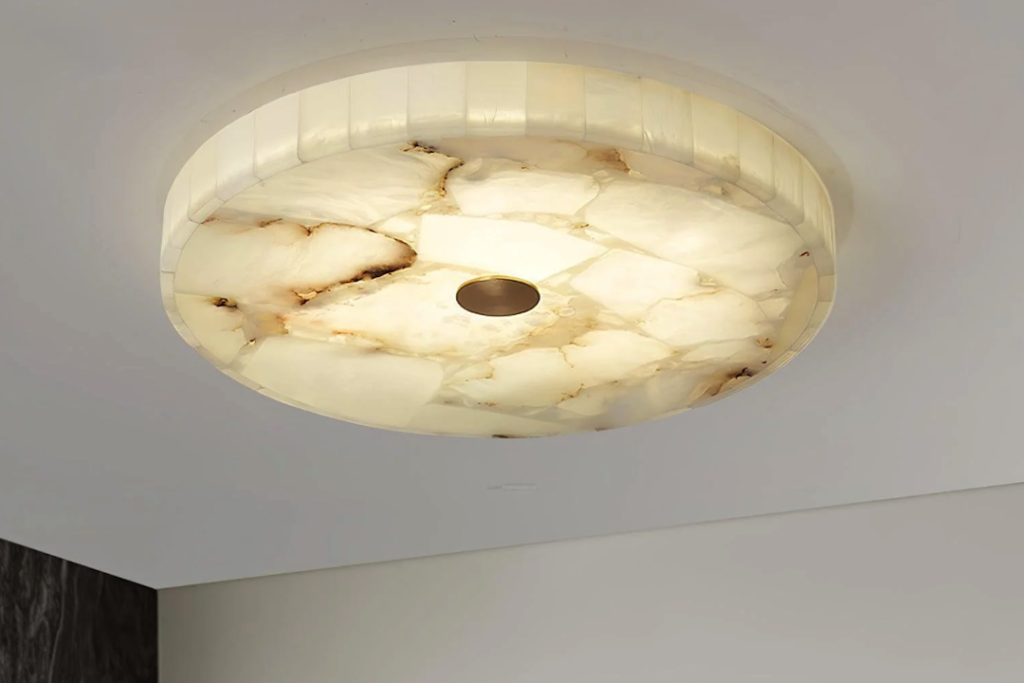

So, you’re looking for an LED desk lamp that can dim, fits a minimalist vibe, and won’t break the bank? You’re in the right place. Getting a good, functional desk lamp for your minimalist home office boils down to a few key things: how well it illuminates your workspace, its adjustability, its aesthetic, and of course, its smart features like dimming. This isn’t about fancy gadgets; it’s about a tool that helps you work better without cluttering your space.
The good news is that many LED desk lamps Jikics now come with built-in dimming capabilities, and finding one that looks sleek and unobtrusive is totally achievable. Let’s break down what makes a dimmable LED desk lamp a worthwhile investment for your minimalist setup.
When we talk about dimmable LEDs, it’s not just about turning the light down. It’s about control. For a home office, this is surprisingly important.
Why Dimming Matters for Your Workspace
Think about your typical workday. You might start in the morning with bright, natural light, but as the day progresses or clouds roll in, you need to supplement.
- Reducing Eye Strain: This is probably the biggest win. Instead of a harsh, static light, you can adjust the brightness to match the ambient light. Too bright, and you get glare. Too dim, and you’re straining to see. Dimmability lets you find that sweet spot.
- Mood Setting: While “mood” might sound a bit out of place for a work lamp, it’s relevant. A slightly lower, warmer light in the evening can be more conducive to winding down or doing less intense tasks than a bright, clinical light.
- Task-Specific Lighting: Sometimes you need intense light for intricate work, like close-up inspection of documents or detailed drawing. Other times, for simply reviewing emails, a softer glow is perfectly sufficient and kinder to your eyes.
How LED Dimming Works (The Simple Version)
LEDs are inherently efficient, and dimming them is usually done electronically. There are a couple of common methods:
- Pulse Width Modulation (PWM): This is very common. The LED is rapidly switched on and off. The ratio of on-time to off-time determines the perceived brightness. It’s like flickering very, very fast, so your eyes don’t perceive the blinking, just the varying brightness.
- Constant Current Reduction (CCR): This method directly reduces the amount of current flowing through the LED. This is generally considered more “flicker-free,” which is a plus for some people who are sensitive to PWM flicker.
Don’t get too bogged down in the technicalities. What’s important for you as a user is that the dimming is smooth, has a good range of brightness levels, and doesn’t introduce noticeable flicker.
Minimalist Design: Less is Indeed More
A minimalist home office isn’t just about decluttering. It’s about intentionality. Every item should serve a purpose and contribute positively to the overall aesthetic. For a desk lamp, this means it should be functional without being visually noisy.
Key Design Elements for Minimalism
When you’re scanning options, look for these characteristics:
- Clean Lines and Simple Forms: Think geometric shapes, straight lines, and uncluttered silhouettes. Avoid excessive ornamentation, overly complex joints, or busy patterns.
- Muted Color Palettes: White, black, grey, silver, and natural wood tones are your friends. These colors blend in, allow the focus to remain on your work, and contribute to a calm environment.
- Unobtrusive Base: A slim or weighted base that doesn’t take up much desk real estate is ideal. Some lamps even clamp onto the desk edge, freeing up surface area entirely.
- Integrated Components: Lamps where the LEDs are integrated into the arm or head, rather than having a traditional bulb, often have a sleeker profile.
Comparing Popular Minimalist Lamp Styles
You’ll see a few recurring styles that fit the bill:
- The Architect Lamp: These are the classic adjustable arm lamps. Look for modern interpretations with slim profiles and integrated LED heads. They offer great flexibility in positioning the light exactly where you need it.
- The Gooseneck Lamp: Very flexible with a bendable neck. These can be great for precise positioning, but ensure the gooseneck itself is visually appealing and doesn’t look too flimsy or dated.
- The Bar Lamp: A flat, linear LED panel. These often sit on a simple base or mount to the desk and provide a wide, even spread of light. They can be very sleek and contemporary.
Practical Features: Beyond Just Light Brightness
When it comes to a desk lamp, especially one for work, “practicality” is about more than just having a light source. It’s about how that light source benefits your workflow and well-being.
Adjustability: The Angle of Attack
The ability to move and position the light is paramount. No one’s desk setup is exactly the same, and your lighting needs can change throughout the day.
- Articulated Arms: These are the most common for adjustable lamps. Look for arms with smooth, stable joints that hold their position reliably. You want to be able to bend and swivel the light head without it drooping or becoming loose.
- Rotation and Tilt: Beyond the main arm, check if the lamp head itself can tilt up and down and potentially swivel left and right. This fine-tuning allows you to direct light precisely onto your documents or keyboard, avoiding glare on your screen.
- Clamp vs. Base: As mentioned, clamping lamps save desk space, which is a huge plus for minimalists. Ensure the clamp is robust and won’t damage your desk surface. Base lamps need to be stable enough not to topple easily.
Color Temperature Control: Setting the Right Vibe
Dimming is one part of the equation, but what about the “color” of the light? This is called color temperature, measured in Kelvin (K).
- Warm White (2700K – 3000K): This is closest to incandescent bulbs. It’s cozy, relaxed, and good for general ambiance or tasks that don’t require intense focus.
- Cool White / Neutral White (3500K – 4500K): This is a good all-rounder for office work. It’s bright and invigorating without being overly bluish. Many people find this range helps with focus.
- Daylight (5000K – 6500K): This is a very bright, bluish-white light that mimics natural daylight. It’s excellent for tasks requiring high detail and color accuracy, but can feel a bit stark for prolonged general use.
Lamps with Color Temperature Adjustment
The best dimmable LED lamps will also allow you to change the color temperature, giving you even more control over your workspace. You might want a cooler, brighter light when you’re deep in concentration and a warmer, softer light for answering emails in the evening.
Considering Functionality Beyond Basic Illumination
Modern desk lamps are getting smarter. While we’re aiming for minimalism, that doesn’t mean foregoing useful tech if it’s integrated seamlessly.
USB Charging Ports: A Subtle Convenience
Many desk lamps now discreetly incorporate USB ports. This can be a fantastic space-saver for your desk.
- Charge Your Devices: Keep your phone or tablet juiced up without needing a separate charger and taking up another power outlet.
- Tidy Cables: Having a charging point right on your lamp can help consolidate your cable management and reduce desk clutter.
Look for ports that offer decent charging speeds (like 2.1A or higher) if this is a feature you plan to use regularly.
Different Brightness Levels and Memory Function
While a continuous dimmer is great, some lamps offer preset brightness levels. This can be quicker to navigate than a slider if you tend to use the same few brightness settings.
- Step Dimming: Lamps might offer, for example, 3 or 5 distinct brightness levels.
- Memory Function: A feature that’s often overlooked but incredibly useful is a memory function. This means the lamp remembers your last used brightness and color temperature setting. So, when you turn it back on, it’s exactly how you left it. This saves you from fiddling with the controls every single time.
Finding the Right Balance: Budget and Quality
You don’t need to spend a fortune to get a good dimmable minimalist LED desk lamp, but it’s worth investing a little more for quality and longevity.
What to Expect at Different Price Points
- Budget-Friendly ($30-$60): You can find basic dimmable LED lamps in this range. They’ll likely have decent brightness, a few dimming steps, and a simple design. Build quality might be average, and the dimming might not be the smoothest.
- Mid-Range ($60-$120): This is often the sweet spot. You’ll find lamps with better build materials (aluminum, higher-quality plastics), smoother continuous dimming, possibly adjustable color temperature, and more stable joints. You’re also more likely to find thoughtful minimalist designs.
- Premium ($120+): These lamps often come with superior build quality, advanced features like touch controls, excellent color rendering indexes (CRI, meaning colors appear more natural), and sometimes even smart home integration (though that might veer away from strict minimalism for some). Brands known for design and engineering often fall into this category.
Durability and Longevity: An Investment in Your Workspace
LEDs themselves have a very long lifespan, so the lamp’s durability often comes down to its construction.
- Materials: Look for lamps made from sturdy materials that feel solid, not flimsy. Aluminum or weighted metal bases tend to be more durable than cheap plastic.
- Joints and Adjustments: Poorly constructed joints can become loose quickly, rendering the lamp less functional. Check reviews for comments on how well the lamp holds its position.
- Warranty: A decent warranty can be a good indicator of a manufacturer’s confidence in their product’s durability.
Checking Reviews: Real-World User Experiences
Before you buy, don’t underestimate the power of user reviews.
- Focus on Practical Feedback: Look for comments about the smoothness of the dimming, the stability of the arm, the brightness range, and any issues with flickering or lifespan.
- Minimalist Perspective: See if reviewers mention how well the lamp fits into a minimalist aesthetic.
Making Your Choice: A Checklist for Minimalist Bliss
So, you’ve got a clearer picture. Let’s put it into a quick checklist to help you pinpoint the perfect dimmable LED desk lamp for your minimalist home office.
Key Questions to Ask Yourself
- What’s my primary use? (e.g., focused work, general office tasks, reading) This will help determine the brightness and color temperature range you need.
- How much desk space do I have? This dictates whether a clamp-on or slim-base lamp is better.
- What’s my budget? Be realistic, but remember that a slightly higher investment could mean a better-built, longer-lasting lamp.
- What color scheme does my office have? Choose a lamp that complements your existing decor.
- Are integrated features like USB ports a must-have, or just a nice-to-have?
Features to Prioritize (and Which to Let Go)
- Must-Haves for Minimalists: Smooth, adjustable dimming; clean, unobtrusive design; stable adjustability.
- Highly Recommended: Adjustable color temperature; memory function; durable build materials.
- Nice-to-Haves: USB charging ports; touch controls; excellent CRI.
By focusing on these practical elements, you can cut through the marketing noise and find an LED desk lamp that’s genuinely beneficial for your minimalist home office – a quiet contributor to your productivity and well-being, without adding visual clutter.